
What to Expect From a Septic System Repair
Once you know something needs fixing, the next questions are usually practical ones: how long will this take, what actually determines what it costs, and what happens if the problem turns out to be bigger than expected. Those questions matter as much as the technical diagnosis itself, and they’re worth answering plainly before any work starts.
(574) 378-0488
Need Any Help? Call Us
Clear Process, No Surprises
You'll know what's happening at each stage, not just when the invoice arrives.
Upfront About Cost Factors
We explain what's actually driving the price before any work begins.
Emergency and Scheduled Repairs
Both follow the same honest standards, just on different timelines.
Work That's Genuinely Guaranteed
We stand behind repairs we complete, not just the work in front of us that day.
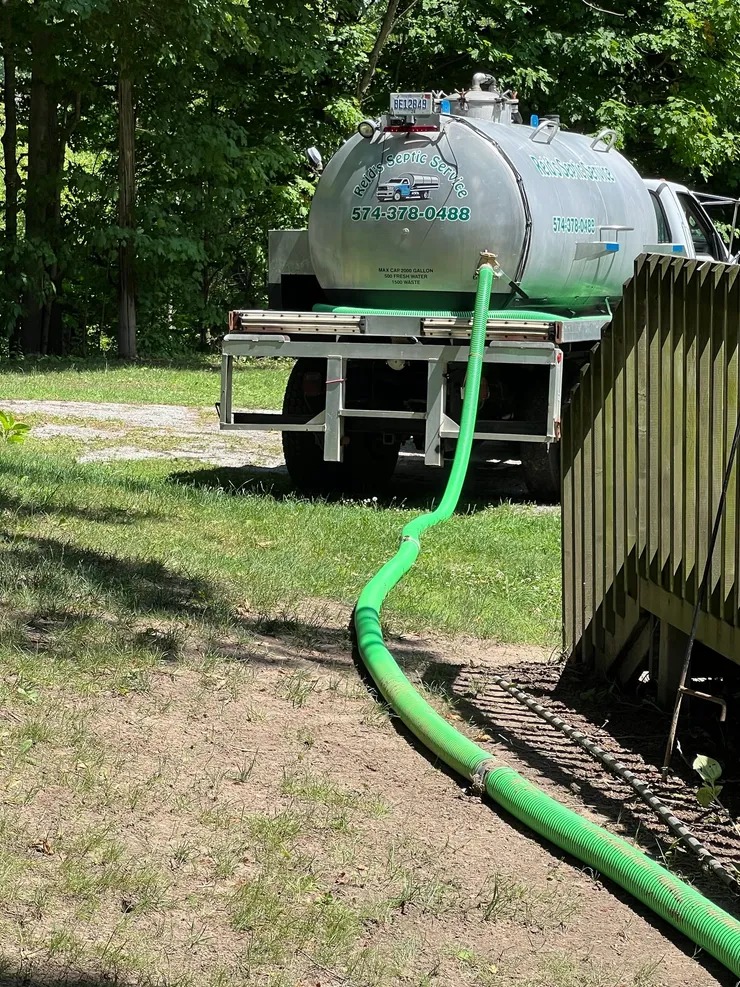
The Repair Process From Call to Completion
A repair starts with a conversation about what you’re seeing, which helps us prepare appropriately even before arriving. Once we’re on site, diagnosis comes before any actual repair work, since starting to dig or open something up before confirming the cause risks fixing the wrong thing.
From there, most repairs move directly into the actual work once we’ve explained what we found and what it’ll take to fix it. Some larger projects, particularly ones requiring a permit or significant excavation, involve a bit more scheduling lead time between diagnosis and the repair itself, and we’ll be upfront about that timeline rather than leaving you guessing.
What Actually Affects Repair Cost
Access is one of the bigger factors most people don’t anticipate: a component that’s easy to reach costs less to repair than the same problem on a tank buried under years of accumulated soil with no riser. Scope matters too, a single component repair is a smaller project than one that’s uncovered multiple issues needing attention.
Materials and whether the work requires county permitting also factor in, since permitted work involves both the physical repair and the administrative process around it. We’ll walk through what’s actually driving the cost on your specific repair rather than leaving it as an unexplained number.
Emergency Repairs Versus Scheduled Repairs
An emergency repair, something causing an active backup or overflow, gets prioritized differently in scheduling, but the underlying diagnostic and repair standards don’t change just because the timeline is compressed. We don’t cut corners on an urgent call that we wouldn’t cut on a routine one.
What does change is the pace of decision-making. A scheduled repair often allows time to discuss options and plan around your schedule, while an emergency repair means making necessary decisions more quickly to stop an active problem, though we’ll still explain what we’re doing and why as we go.
Planning Ahead for a Larger Repair
Not every repair arrives as a surprise. If a recent inspection flagged something that isn’t urgent yet but will eventually need attention, that’s useful information for planning rather than something to set aside and forget. Knowing roughly what’s coming gives you time to budget and schedule on your own terms instead of reacting to an emergency later.
We’re happy to talk through realistic scope and rough timing for a repair you know is coming, even if you’re not ready to schedule it immediately. That conversation is about giving you accurate information to plan with, not pressure to commit before you’re ready.
What Happens After a Repair Is Complete
We don’t consider a repair finished the moment the physical work is done. Confirming the system is actually functioning correctly, checking that flow, drainage, or whatever the original symptom was has genuinely resolved, is part of the same visit rather than an assumption we make and move on from.
Work we complete is backed by our own standards for what a proper repair looks like, and if something about a recent repair isn’t performing the way it should, that’s worth a call back to us rather than living with it or assuming it’s normal.
System-Wide Repairs Versus Single-Component Fixes
Sometimes what starts as a call about one symptom turns into a repair touching more than one part of the system, a baffle that needs replacing alongside a distribution box that’s also settled unevenly, for example. When that happens, we explain the full scope before proceeding rather than fixing one thing and letting you discover the other problem later.
Bundling genuinely related repairs into a single visit is usually more efficient than addressing them separately over multiple appointments, both in terms of cost and disruption to your property. We’ll always distinguish between what’s actually necessary now and what could reasonably wait, rather than expanding the scope just because we’re already on site.
Request A Free Estimate
Our Working Process
Book Service
Describe the issue and how urgent it feels, and we'll schedule accordingly.
Inspection
The actual cause gets diagnosed, and we explain what the repair will involve before starting.
Service
We complete the repair, addressing any genuinely related issues we find along the way.
Completion
Proper function gets confirmed, and we walk you through exactly what was done.
Ready to Get a
Repair Scheduled?
Whatever you’re dealing with, tell us what’s going on and how urgent it feels, and we’ll get you a clear plan rather than an open-ended timeline.
(574) 378-0488
Need Any Help? Call Us
(574) 378-0488
Need Any Help? Call Us
Repair Process Questions We Hear Often
From the first call to a finished job, how much time does a typical repair take?
A straightforward component repair can often be scheduled and completed within a matter of days. Larger repairs requiring permits or significant excavation take longer due to the approval process itself, and we’ll give you a realistic timeline once we know the specific scope.
What factors have the biggest impact on repair cost?
Access to the affected component, the overall scope of what needs fixing, and whether permitting is involved all play a role. Two repairs that sound similar over the phone can cost quite differently depending on these specifics, which is why we confirm them on site before finalizing anything.
Is the repair process different for an emergency versus a scheduled visit?
The diagnostic and repair standards stay the same either way. What changes is the pace, an emergency means faster decision-making to stop an active problem, while a scheduled repair allows more time to walk through options before committing to a specific approach.
Do you guarantee the repair work you perform?
Yes, we stand behind the repairs we complete. If something about a recent repair isn’t functioning the way it should, reach out and we’ll address it rather than leaving you to assume it’s normal or live with an unresolved problem.
Can multiple problems be fixed in the same visit if they're discovered together?
Often, yes, particularly when the issues are genuinely related, like a baffle and a distribution box problem found during the same diagnosis. We’ll explain the full scope and distinguish between what’s necessary now and what could reasonably wait before proceeding.
What happens if a repair uncovers a bigger problem than originally expected?
We stop and explain what we found before continuing, rather than assuming you want the more expensive fix by default. You’ll always know what’s actually necessary and what your options are before we move forward with anything beyond the original scope.
Can I schedule a known future repair for a time that works better for me?
Yes, as long as the issue isn’t actively causing problems, there’s usually flexibility to plan around your schedule rather than treating it as urgent. We’ll be honest if something has a realistic window before it becomes more pressing, so you can plan accordingly.
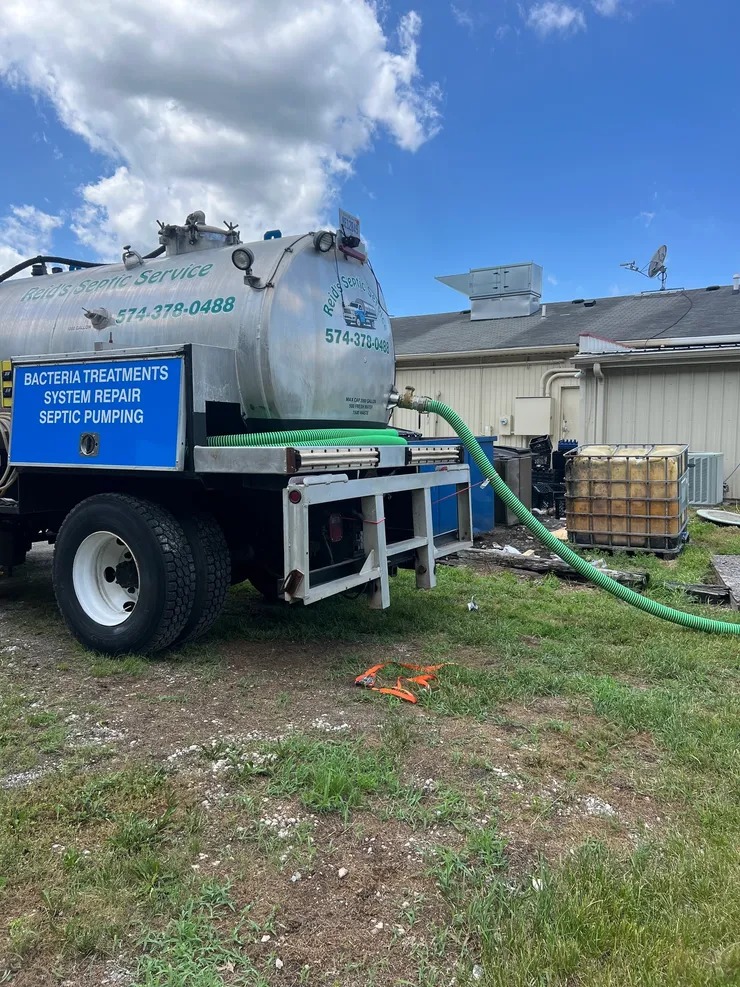
Contact Info.
- Office AddressBuchanan, MI, USAGet directions
- Call Us(574) 378-0488Tap to call
- Email Addressreidssepticservice@gmail.comSend a message
- Working HoursMon to Sun: 24 HoursOpen now