
24/7 Emergency Septic and Sewer Response
Sewage doesn’t wait for business hours, and neither do we. Around the clock, Reid’s Septic answers emergency calls for backups, overflowing tanks, and sudden system failures wherever you’re located within our service area.
An emergency call isn’t just inconvenient, it can put your family’s health at risk and cause damage to your home that keeps getting worse the longer it sits. We’d rather you call and find out it’s a routine fix than wait it out and end up with a bigger problem by morning.
(574) 378-0488
Need Any Help? Call Us
Someone Always Answers
A real person picks up the phone, day or night, not a voicemail.
Fast Local Dispatch
Locally based, with shorter drive times across the area we serve.
No Emergency Upselling
Honest fixes for a stressful situation, not an inflated invoice.
Ready for Peak Season Surges
Experienced with spring thaw backups and holiday-weekend lake house overloads.
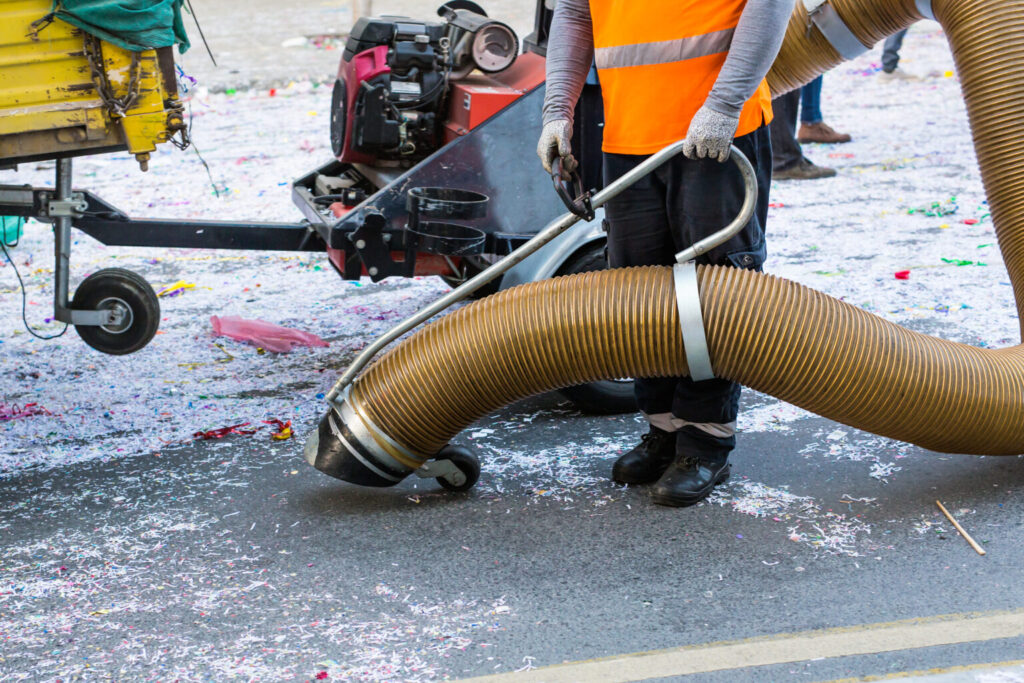
Recognizing and Responding to a Septic Emergency
Sewage backing into a tub, shower, or floor drain, or standing wastewater and odor over the drain field, means the system can no longer keep up and needs attention now. A tank alarm going off, if your system has one installed, is also worth an immediate call rather than assuming it’s a false alarm.
Not sure whether what you’re seeing qualifies? Call anyway. A quick phone conversation costs you nothing, and it’s a much better outcome than living with raw sewage for a weekend because you weren’t certain.
Why Emergencies Cluster Around Certain Times of Year
Spring thaw is one of the busiest stretches for emergency calls, as snowmelt saturates ground that was already struggling through winter, especially in sandy, low-lying areas. Heavy rain events do something similar in a much shorter window, particularly for properties where roof drains or sump pump discharge lines were routed too close to the septic system.
Holiday weekends bring a different kind of surge at seasonal lake homes that go from empty to full of guests overnight, pushing a system that’s been sitting idle into sudden heavy use.
Health and Safety Risks of an Active Backup
Raw sewage carries bacteria, viruses, and parasites that pose a genuine health risk, not just an unpleasant mess. Standing wastewater in a basement or yard should be treated as contaminated, which means keeping children and pets away entirely rather than trying to clean it up yourself before help arrives.
If sewage has contacted surfaces, flooring, or belongings, those materials often need more than a quick wipe-down once the immediate emergency is resolved. We can point you toward next steps for cleanup and let you know if anything we saw is worth documenting for insurance purposes.
What to Do While You Wait for Us to Arrive
A few things help while you’re waiting:
- Stop using water in the house as much as possible, since every flush, load of laundry, or shower adds more volume to a struggling system
- Keep people and pets away from any pooled wastewater in the yard
- Don’t attempt to open tank lids or dig near the drain field yourself, since septic gases can be dangerous
When you call, having a rough idea of when the problem started and whether anything changed recently, like a new appliance or unusually heavy water use, helps us get to the cause faster once we’re on site.
Common Mistakes During a Septic Emergency
Pouring bleach, drain cleaner, or other chemicals into a backed-up drain in hopes of clearing it yourself rarely works on a septic-related backup, and it can actually harm the bacteria inside the tank that your system depends on. It’s a natural instinct, but it usually just delays the real fix.
Running the dishwasher, washing machine, or extra loads of laundry to try to push a clog through has the same problem: it adds more water to a system that’s already struggling to keep up. The best move in almost every case is to stop adding water and call.
Getting to the Root Cause, Not Just a Temporary Fix
An emergency visit stops the immediate crisis, but it doesn’t always explain why it happened in the first place. Before we leave, we’ll tell you what we think caused the emergency and whether it’s likely to happen again without further work.
We take emergency calls throughout Berrien County and the surrounding townships, so if you are not sure whether what you are seeing counts as urgent, call and describe it rather than waiting it out.
Request A Free Estimate
Our Working Process
Book Service
Call our emergency line and describe what's happening, and we dispatch a truck based on how urgent the situation actually is.
Inspection
Our technician arrives, assesses the situation, and identifies the fastest safe way to stop the immediate problem.
Service
We perform whatever the emergency actually requires, whether that's pumping, a repair, or temporary containment while a bigger fix is arranged.
Completion
We confirm the immediate danger is resolved and explain what caused it, along with any follow-up work your system may need.
Reach Our
Emergency Response Team
If sewage is backing up into your home or pooling in the yard right now, don’t wait for regular business hours. Pick up the phone and describe what you’re seeing, and we’ll get a truck moving toward you as quickly as we safely can.
(574) 378-0488
Need Any Help? Call Us
(574) 378-0488
Need Any Help? Call Us
Quick Answers About Emergency Septic Service
Is a slow drain an emergency, or can it wait?
A single slow drain usually isn’t an emergency. Several drains acting up at once, or any sign of sewage actually backing up rather than just draining slowly, is worth an emergency call so it doesn’t get worse overnight.
Do you actually answer calls after hours, or just say you do?
Someone answers the phone directly, day or night, and we dispatch based on what you describe rather than routing you to a voicemail until morning.
Why does my septic system act up right after heavy rain?
Saturated ground has less capacity to absorb the liquid your drain field is trying to release, so a system that handles daily use fine can suddenly back up during a big storm.
What should I avoid doing before you get there?
Don’t run extra water through the house, don’t attempt to open the septic tank lid yourself, and keep kids and pets away from any pooled wastewater outside.
Will an emergency visit always mean an expensive repair?
Not necessarily. Plenty of emergency calls turn out to be a tank that’s simply overdue for pumping, which is a routine fix once we’re on site.
Should I take photos before you arrive?
If it’s safe to do so and doesn’t delay getting people and pets away from the area, a few photos of standing water can be useful for insurance purposes later. It should never come before your own safety.
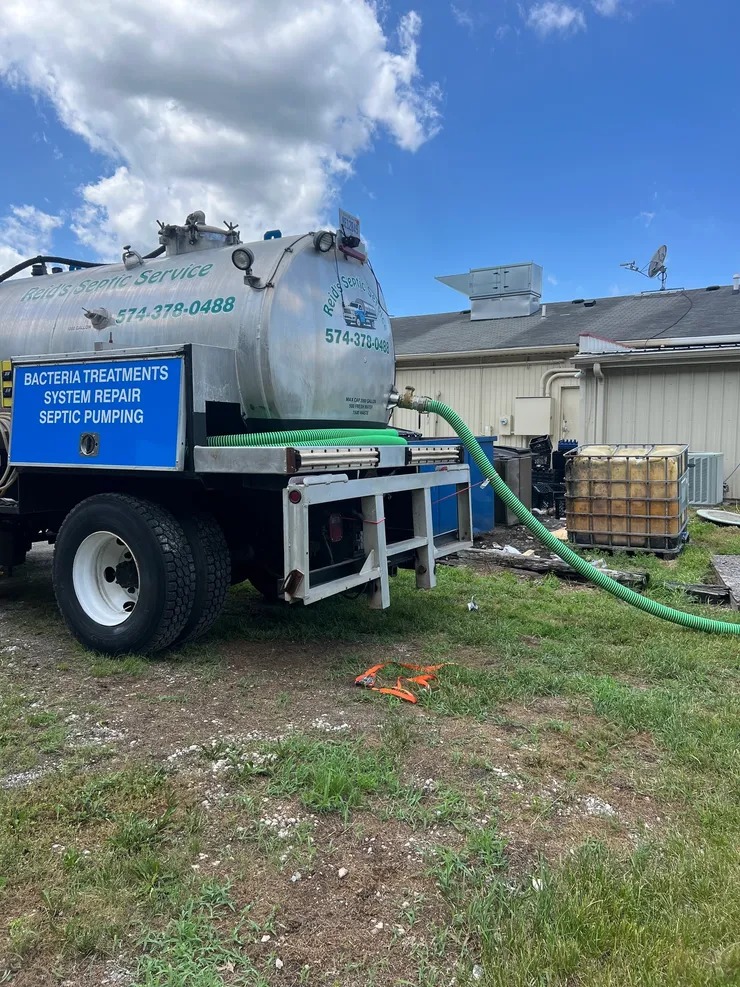
Contact Info.
- Office AddressBuchanan, MI, USAGet directions
- Call Us(574) 378-0488Tap to call
- Email Addressreidssepticservice@gmail.comSend a message
- Working HoursMon to Sun: 24 HoursOpen now