
Drain Field and Property Drainage Service
Standing water in the yard, a soggy patch that never quite dries out, or a drain field that smells even when nothing’s actively backing up inside the house are all drainage problems, and they don’t always mean the septic tank itself is at fault.
Drainage problems tend to get blamed on the septic system by default, since that’s the most visible part of a property’s wastewater setup, but plenty of wet yards have nothing to do with the tank or field at all. Sorting out which situation you’re actually dealing with is the first and most important step.
(574) 378-0488
Need Any Help? Call Us
Correct Diagnosis First
We tell a grading issue apart from an actual drain field failure before recommending a fix.
High Water Table Experience
Familiar with the shallower groundwater common in shoreline areas.
French Drains Before Excavation
Regrading and rerouting considered before any full excavation begins.
Familiar With Rolling, Glacial Terrain
Experience reading moraine-shaped, glacially formed ground.
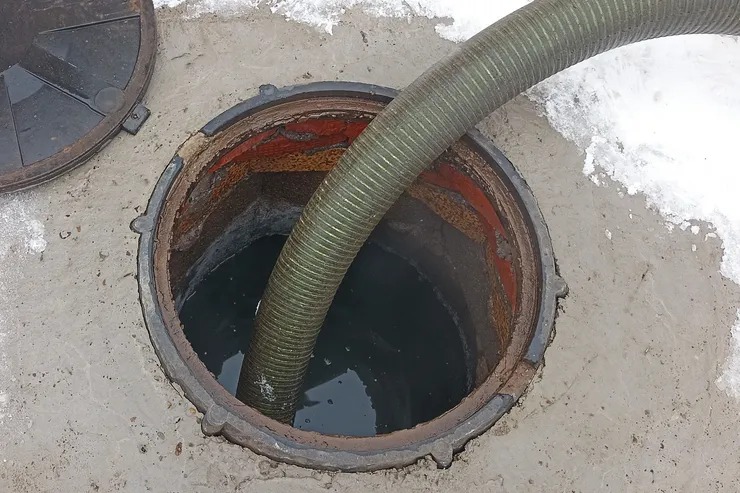
How a Drain Field Is Supposed to Work
Once wastewater leaves the septic tank, it flows out through a network of perforated pipe into the drain field, where the surrounding soil filters and absorbs it. That process depends on the soil having room to accept liquid at a reasonable rate. When the field is oversaturated, liquid stops draining down and starts surfacing instead, which is when you see soggy ground, standing water, or odor above the field itself.
Extra Water Sources That Overload a Drain Field
One of the most common and most preventable causes of drain field trouble is water that has nothing to do with the septic system in the first place, including:
- Roof drains routed toward the field instead of away from it
- House footing drains discharging near the field
- Sump pump lines adding volume the field was never sized for
On properties with a high water table, even a moderately sized field can struggle during a wet spring if it’s also absorbing runoff it shouldn’t be.
Recognizing Drain Field Failure Versus Ordinary Yard Drainage
A drain field problem tends to come with a sewage odor and stays concentrated directly over the field’s footprint, while general yard drainage issues show up more broadly after any heavy rain, regardless of where the septic system sits on the property.
Timing is another clue. Standing water that appears every single time it rains, in the same spot, often points to grading rather than the field, since a truly failing field usually shows other symptoms too, like slow drains inside the house.
Diagnosing a Drainage Problem the Right Way
Before recommending a fix, we look at where the water is actually coming from. Sometimes what looks like a failing drain field turns out to be a landscaping or grading issue pushing surface runoff toward the septic system. Other times, probing the field confirms the soil truly is saturated and no longer accepting effluent. Getting this diagnosis right matters, because fixing a grading issue is a very different project, and a very different cost, from replacing a drain field.
Terrain and Soil Patterns That Shape Local Drainage
Rolling, glacially shaped terrain is common throughout the area, which means drainage doesn’t behave the same way on every part of a property. A drain field placed on a low point of a sloped lot can end up catching runoff from higher ground nearby, even when the system itself is functioning correctly.
When Drainage Repair Means More Than a Quick Fix
A field that’s failed completely from age or long-term saturation usually can’t be patched, and replacement is the honest recommendation at that point. We’ll always check whether a French drain, better grading, or redirected downspouts can solve the problem first, since a full drain field replacement is a significant project and shouldn’t be the first answer if it isn’t necessary.
Because a wet yard can have several different causes, we will often suggest a full septic inspection before committing to any drainage work, so the fix matches the actual problem. We handle both across the Niles area, including septic service in Niles and the properties around it.
Request A Free Estimate
Our Working Process
Book Service
Describe the standing water or soggy area you're seeing, including when it started, and we'll schedule a site visit.
Inspection
We evaluate whether the cause is surface grading, redirected runoff, or the drain field itself, rather than assuming.
Service
We complete the appropriate fix, from redirected drainage to drain field repair or replacement, based on what we actually found.
Completion
We confirm the water is draining properly, not just temporarily improved, before considering the job finished.
Speak With Our
Drainage Team
A soggy yard or a smell near the drain field doesn’t always mean the worst. Get in touch and describe what you’re noticing, and we’ll help you figure out whether it’s a quick fix or something that needs a closer look.
(574) 378-0488
Need Any Help? Call Us
(574) 378-0488
Need Any Help? Call Us
What to Know About Drain Field and Drainage Issues
Is it my drain field, or just poor yard drainage?
A drain field problem usually comes with odor and is concentrated directly over the field’s footprint, while general yard drainage issues tend to show up after any heavy rain regardless of where the septic system is located.
Can I plant anything over my drain field?
Grass is generally fine and even helps absorb moisture, but trees and shrubs with aggressive root systems should stay well away from the field.
Why does my yard flood near the septic system every spring?
Spring combines snowmelt with already-saturated ground, which is the toughest stretch of the year for any drain field.
Is a wet drain field always a sign of failure?
Not always. Occasional dampness after a major rain event can be normal. Persistent standing water or a sewage smell that doesn’t dry out between rains is a stronger sign of trouble.
How much yard disruption does a drainage repair involve?
It depends entirely on the cause. Redirecting a downspout involves minimal digging, while a drain field replacement is a larger excavation project.
Can I fix a drainage problem myself before calling a professional?
Redirecting an obvious downspout or extending a sump pump line further from the field is a reasonable first step. Digging near the drain field yourself isn’t recommended.
Contact Info.
- Office AddressBuchanan, MI, USAGet directions
- Call Us(574) 378-0488Tap to call
- Email Addressreidssepticservice@gmail.comSend a message
- Working HoursMon to Sun: 24 HoursOpen now