Preventive Maintenance and Septic Inspections
Catching a small septic issue during a routine inspection is a lot less disruptive than discovering it during a backup. Whether you’re buying a home, selling one, or simply staying ahead of a system you’ve owned for years, Reid’s Septic offers full system inspections and ongoing maintenance for properties throughout the area we serve.
An inspection isn’t just a formality for a real estate transaction. It’s genuinely the most reliable way to know how much life is left in a system before it tells you the hard way, and it’s usually a lot less expensive than the alternative.
(574) 378-0488
Need Any Help? Call Us
Written, Documented Reports
Clear findings you can share with buyers, sellers, or a lender.
Schedules Built Around Your Home
No generic one-size-fits-all interval, just what your system and household actually need.
County Health Department Know-How
Familiar with how county health departments handle septic requirements.
Catch Problems While They're Cheap
An inspection now costs far less than a system failure later.
What a Full Inspection Actually Covers
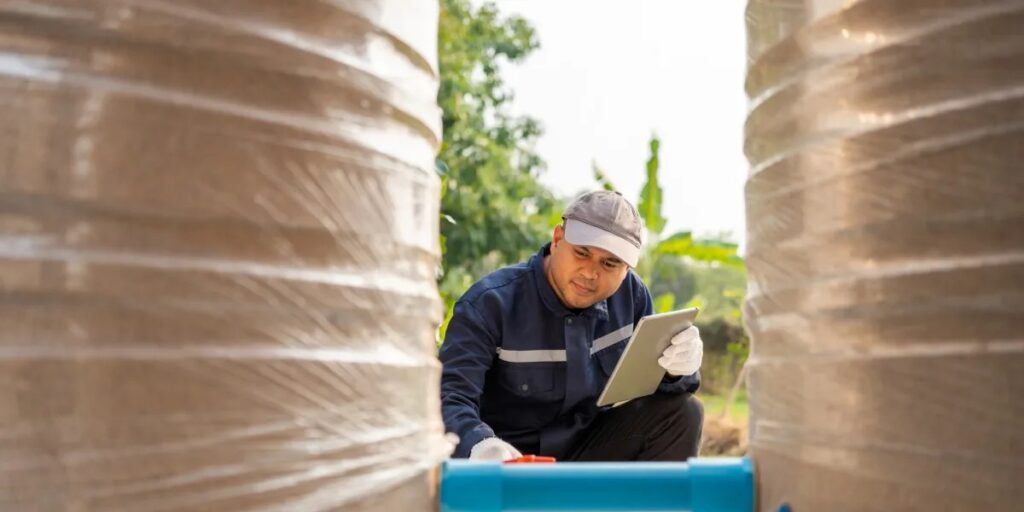
A thorough inspection includes opening the tank, measuring sludge and scum depth, checking baffles, and evaluating the drain field for saturation. We also check for obvious red flags like effluent surfacing in the yard, unusually lush grass over the field, or slow drainage inside the house.
Depending on the situation, that can include a dye test to trace where water actually goes, or a hydraulic load test to see how the system handles a heavier-than-normal volume of water in a short period. You’ll get a clear, written picture of where the system stands, not a vague pass or fail.
Why Property Transfers Often Call for an Inspection First
Buyers and lenders increasingly want this documentation before closing, since a failing system can be an expensive surprise in a rural property purchase. An inspection ahead of listing your property, or ahead of making an offer on one, gives everyone involved real information instead of assumptions, and can give a seller leverage to address a small issue proactively rather than losing a sale over it later.
Common Problems an Inspection Catches Early
A full inspection is designed to catch small issues well before they become visible problems inside the house, including:
- A hairline crack in a tank wall
- A baffle that’s starting to deteriorate
- A drain field showing the very first signs of saturation
- A partially clogged effluent filter, easy to overlook during routine pumping alone
None of these are urgent on their own, but catching them early is usually the difference between a minor fix and a major one.
Recommended Maintenance Intervals for This Region
Most systems here do well with an inspection every one to three years and pumping every three to five, though sandy, fast-draining soil rewards staying on the shorter end of that range. Households that run garbage disposals heavily, have larger families, or use a lot of laundry capacity typically need more frequent attention than a smaller, lighter-use household.
Simple Habits That Extend a System’s Life Between Visits
Keeping roof drains, gutters, and sump pump discharge lines directed away from the drain field prevents extra water from overloading a system that’s already handling household wastewater. Spacing out heavy water use, like running several loads of laundry back to back, gives the tank time to properly separate solids.
Avoiding harsh chemical drain cleaners and keeping grease, wipes, and non-biodegradable items out of the system protects the bacteria inside the tank that actually break waste down.
Working With Local Health Department Requirements
Michigan regulates septic systems at the county level rather than through a single statewide code, so requirements vary by location. We’re familiar with the process and can walk you through what’s needed if an inspection turns up something that requires a permitted repair.
Request A Free Estimate
Our Working Process
Book Service
Schedule your inspection or maintenance visit, including tighter turnaround if it's tied to a real estate closing date.
Inspection
We check the tank, drain field, and every major component against what a healthy system should look like for its age.
Service
We perform any recommended maintenance on the spot, or document findings clearly if a separate repair visit is needed instead.
Completion
You receive a written report along with a recommended timeline for your next inspection and pumping.
Connect With Our
Inspection Team
Buying, selling, or just due for a checkup, an inspection gives you real information instead of assumptions. Reach out to schedule a visit, and let us know if you’re working against a closing date so we can prioritize accordingly.
(574) 378-0488
Need Any Help? Call Us
(574) 378-0488
Need Any Help? Call Us
Frequently Asked Questions About Septic Inspections
Is a septic inspection required to sell my home?
Requirements vary by lender and by individual real estate transaction rather than a single blanket rule, but many buyers and mortgage lenders request one as part of due diligence.
How long does a full septic inspection take?
Most residential inspections take one to two hours, depending on how accessible the tank and drain field are.
Is an inspection the same thing as a pump-out?
No. An inspection evaluates the overall condition of the system without necessarily removing everything from the tank. A pump-out is specifically about removing accumulated solids.
Can I do my own basic septic maintenance between professional visits?
Yes, within limits. Watching what goes down the drains and keeping surface water diverted away from the drain field are things homeowners can manage. Opening the tank should stay with a professional.
What happens if an inspection finds a problem?
What's a dye test, and will I need one?
A dye test involves adding a harmless colored dye to the system and checking whether it surfaces in the yard, which helps confirm whether wastewater is draining properly underground.
Contact Info.
- Office AddressBuchanan, MI, USAGet directions
- Call Us(574) 378-0488Tap to call
- Email Addressreidssepticservice@gmail.comSend a message
- Working HoursMon to Sun: 24 HoursOpen now