
Sewage Disposal and System Replacement
Getting wastewater out of a home safely is only half the job. What happens to it after it leaves the tank, and what happens when an entire system needs replacing rather than repairing, is where sewage disposal service comes in.
These two things, proper disposal of what we pump and proper replacement when a system reaches the end of its life, don’t get talked about as often as routine pumping, but they matter just as much to protecting your property, your neighbors, and the ground around all of you.
(574) 378-0488
Need Any Help? Call Us
Licensed, Proper Septage Disposal
Waste handled through licensed treatment facilities on every single visit.
Full Permit Management
We handle the county health department paperwork on your behalf.
Site-Specific System Design
Mound or standard systems, matched to your property's actual water table.
Residential and Farm Capacity
Systems sized correctly for households and for agricultural operations alike.
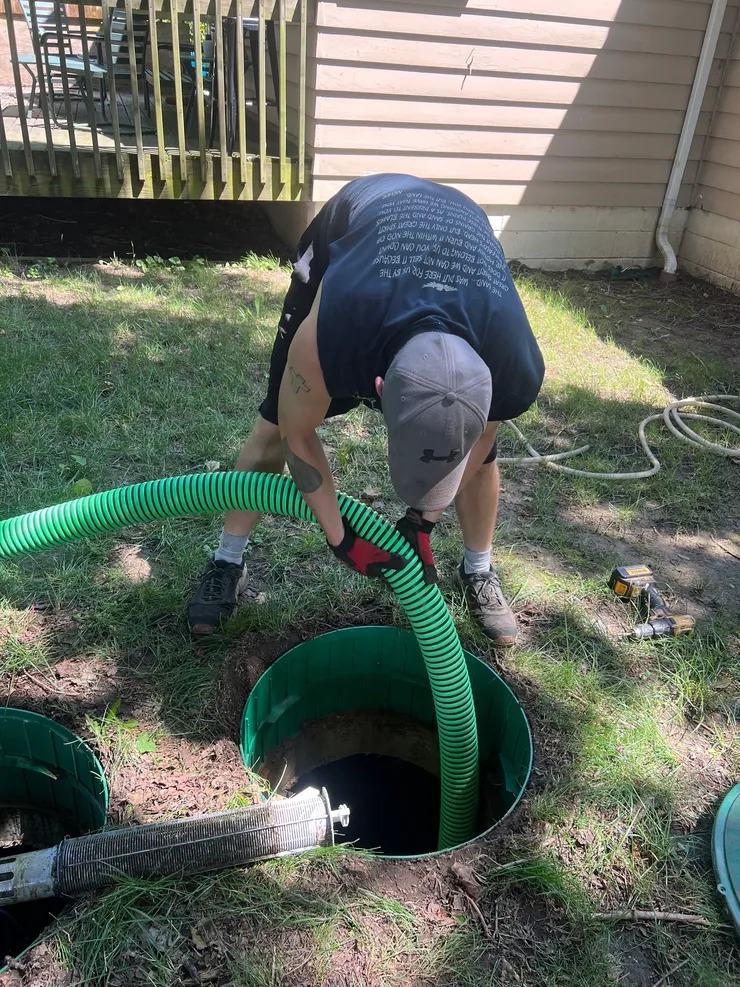
What Happens to Waste After It Leaves Your Tank
Septage we pump doesn’t simply disappear, it’s hauled to licensed treatment facilities rather than dumped somewhere convenient, which matters in an area with real groundwater sensitivity. Improperly disposed septage can contaminate groundwater and surface water, which is exactly what the entire permitting and licensing system is designed to prevent.
When Replacement Makes More Sense Than Repair
Age and structural damage are the two most common reasons a repair isn’t realistic anymore. When a drain field has failed outright, or a tank is cracked or otherwise compromised, we’ll tell you plainly rather than stringing along a series of temporary fixes that end up costing more in total. A system nearing the end of its typical lifespan is also worth evaluating for replacement, especially if repairs have become a recurring pattern.
Types of Replacement Systems and How They’re Chosen
- Conventional gravity system — effluent flows by gravity into a buried drain field; the standard, most affordable choice when soil conditions and water table depth allow for it
- Mound system — raises the drain field above natural grade using imported sand, used when the water table sits too high for a standard field
- Aerobic treatment unit — adds active treatment before the water ever reaches the soil, used when the native soil doesn’t drain well enough on its own
Which design makes sense depends entirely on what the site evaluation shows, not on which system happens to be easiest to install.
Site Conditions That Shape a Replacement Design
Properties near a shoreline or with naturally high groundwater often need a raised or mound-style system instead of a standard buried one, while land with a deeper water table typically has more design flexibility. Soil composition matters just as much: fast-draining sandy ground behaves very differently underground than denser soil.
The Permitting Process for a New or Replacement System
A replacement system goes through your county health department, which requires a site evaluation before approving a design. That evaluation typically includes soil testing, checking the water table, and confirming setback distances from wells, property lines, and any nearby water. Once a design is approved and the permit is issued, installation can begin, and a final inspection usually confirms everything was built to that approved design.
How Long a Septic System Typically Lasts
A well-maintained conventional system can often last several decades, though the honest answer depends heavily on soil conditions, how consistently it’s been pumped, and how much load it’s carried. Age alone isn’t always the deciding factor in whether to repair or replace — a newer system that’s been poorly maintained can fail sooner than an older one that’s been cared for consistently.
Disposal Service for Commercial and Agricultural Properties
Given how much of this region’s economy runs through agricultural operations, we also work with commercial and farm properties that have disposal needs beyond a typical residential system, sometimes with seasonal spikes tied to harvest or peak business periods.
Disposal needs do not stop at the town line, and we serve farms, businesses, and rural properties well outside the nearest village, including Cass County.
Request A Free Estimate
Our Working Process
Book Service
Contact us for a system evaluation, replacement estimate, or routine disposal service, and we'll schedule a site visit.
Inspection
We assess site conditions, including water table depth and soil type, before recommending a design or disposal approach.
Service
We manage the permit process and complete installation, replacement, or septage disposal exactly as approved.
Completion
We confirm the system passes final inspection and walk you through anything you need to know before regular use.
Contact Our
Sewage Disposal Team
Whether you need routine septage hauled properly or a full system replaced, reach out with your property details, and we’ll explain what your site needs and how the permitting process will work before any commitment on your part.
(574) 378-0488
Need Any Help? Call Us
(574) 378-0488
Need Any Help? Call Us
Questions About Sewage Disposal and System Replacement
Should I repair my system, or is it time to replace it?
An inspection is the honest way to answer that question rather than guessing. Age, the extent of the damage, and whether the drain field itself has failed all factor in.
Where does the waste go after you pump my tank?
Septage is transported and disposed of at licensed treatment facilities rather than being dumped on-site. This protects local groundwater and surface water that so much of this area depends on.
From permit to completion, how long does a full system replacement typically take?
Timelines vary by county processing time and site complexity, but most projects take several weeks rather than a single visit.
Do lakeshore properties need a different kind of system than inland homes?
Often, yes. A high water table near the shoreline can require a mound or raised system, while inland properties with deeper water tables usually have more design flexibility.
Is a permit really required for every system replacement?
Yes. Every Michigan county requires a permit and site evaluation before a new or replacement system can be installed.
Mound system or conventional system, what's actually different between them?
A conventional system relies on gravity and natural soil to treat and absorb wastewater underground. A mound system builds a raised bed of imported sand above the natural grade, used when the water table is too high.
Contact Info.
- Office AddressBuchanan, MI, USAGet directions
- Call Us(574) 378-0488Tap to call
- Email Addressreidssepticservice@gmail.comSend a message
- Working HoursMon to Sun: 24 HoursOpen now